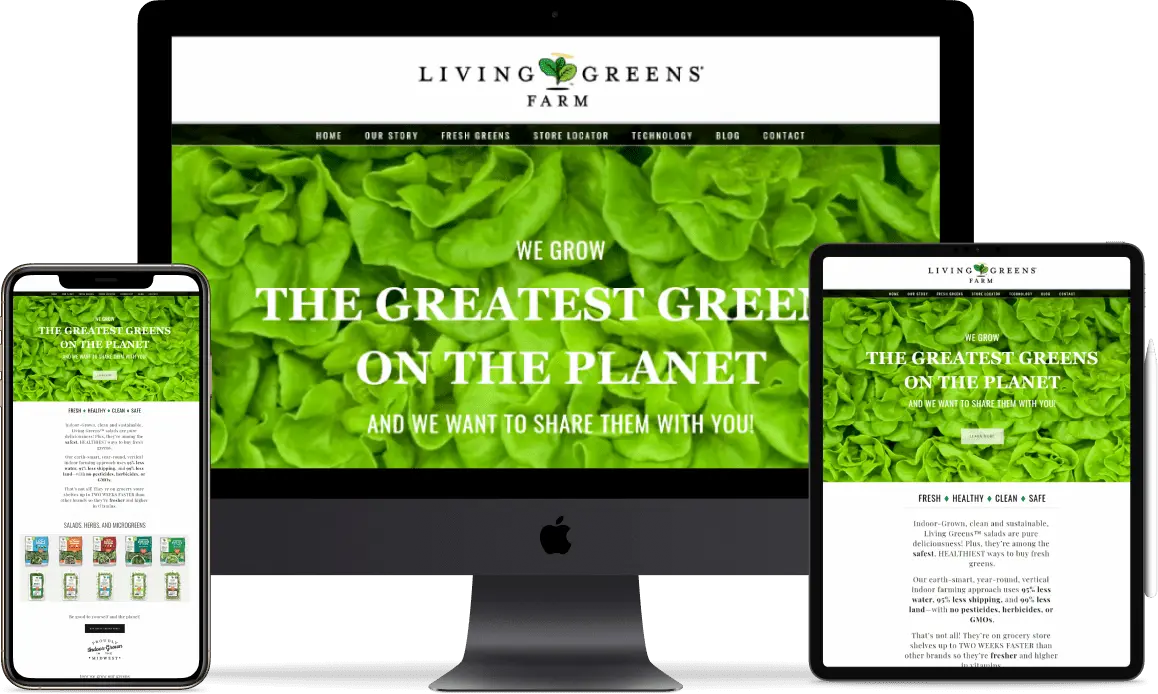

Growth-Driven Digital Marketing Results
We share real outcomes from our work with B2B teams. Each result is tied to a clear strategy, disciplined testing, and data-driven decisions, supported by modern AI-enabled insight and analytics.
Filter By Success
Natalie MacVarish
ICPG
“Fantastic Hubspot Partner! They worked as a lean team to provide a clear scope of work to deliver the site the shareholders desired. ”

⭐⭐⭐⭐⭐
BRONSON CORDLE
Digital Strategy ManagerAtlas Machine & Supply, Inc

Jim Boudreau
CHASM
Laura Gillions
Carbon Clean
483%
Year-Over-Year Increase in Lead Generation

Frequently Asked Questions
What do you mean by “growth-driven marketing results”?
Growth-driven marketing results focus on metrics that directly impact business growth, such as conversion rate lift, qualified lead volume, organic visibility, and pipeline value, rather than surface-level vanity metrics. These outcomes reflect how marketing supports real revenue performance across the funnel.
How are these marketing results measured and validated?
Results are measured using consistent performance signals such as changes in conversion rate, qualified lead growth, organic search lift, and pipeline contribution. Validation depends on having strong SEO foundations and reliable tracking across your website and CRM.
Can I see results from companies in my industry?
Yes. Industry context matters because buying cycles, deal size, and conversion paths vary widely. Viewing results by industry helps teams understand what performance looks like in similar B2B environments.
What kinds of results have you delivered for B2B clients?
B2B results often include improved conversion rates, faster growth in qualified leads, increased organic visibility, and measurable pipeline impact. The most important part is understanding what changed and how those outcomes were achieved.
How do these results connect to marketing ROI and revenue?
Marketing ROI becomes clear when performance metrics are tied directly to pipeline and sales outcomes, not just lead volume. This connection helps teams identify which efforts influence revenue and where friction slows growth.
How long does it typically take to see meaningful results?
Timelines vary by channel and starting point. Conversion optimization and paid programs may show movement sooner, while SEO-driven results compound over time. Clear measurement and iteration speed matter more than one-off wins.
Are these results driven by a single channel or by a full strategy?
Sustainable results rarely come from a single channel. They are typically driven by an integrated strategy in which website performance, SEO, demand generation, and pipeline alignment work together to support growth.
How do you account for long B2B sales cycles in results reporting?
Long sales cycles require tracking influence, not just immediate conversions. By connecting early-stage engagement to pipeline movement, teams can understand how marketing contributes over time, not just at the point of lead capture.
What role does the website play in achieving these results?
The website serves as the central conversion and validation layer, supporting clear messaging, trust signals, and conversion paths. Strong results depend on a site that aligns positioning with buyer intent and demand capture.
What’s the next step if I want similar results for my company?
The next step is an introductory conversation to review goals, current performance, and constraints, and to identify where focused improvements can deliver the greatest impact.
“We’re proud of the brands we work with. Their game-changing products and services, innovative cultures, and determination to create positive change for our world are inspiring. As an extension of their sales and marketing teams, their mission becomes our mission. When they win, we win.“
- Nathan Harris, CEO at New Perspective